Cab Route
Best Time To Visit Kedarnath by Cab
There's no single answer to when Kedarnath is best visited — it hinges on temple opening dates, weather, how crowded you're willing to travel, and your own comfort level. For anyone coming by cab from Delhi NCR, the planning goes well beyond distance; it's about the road to the Kedarnath-side base points, the local arrangements from there, and leaving enough room for mountain conditions to shift.
Route Overview
Planning this taxi route
Most road journeys leave Delhi NCR toward Haridwar or Rishikesh, then work through Garhwal points like Rudraprayag, Guptkashi and the Sonprayag side. Always confirm the final stretch of road access against current official guidance once yatra season is underway.
Fare Information
How fare is usually calculated
Taxi fare is shaped by the pickup city, vehicle category, total number of days, halt plan, the season, route conditions, and whether you're doing Kedarnath alone or as part of Do Dham or Char Dham.
Final pricing should always come from the live Cablycabs booking flow because vehicle availability, trip type, route conditions and travel date can change the payable amount.
Best Travel Time
When to plan the trip
The most comfortable windows generally fall right after the temple opens in late spring, and again once the monsoon has passed and routes have settled. Peak summer and long weekends draw the biggest crowds, while monsoon itself calls for extra caution since hill roads can take a hit.
Cab Options
Choosing the right cab
An SUV or Innova generally works better for the Kedarnath road journey, given how long it runs, how much luggage tends to come along, and the mountain sections involved. A sedan can manage a lighter trip, but comfort starts to matter more the longer a multi-day yatra route gets.
- Hatchback and sedan options for compact budget-friendly trips
- SUV and Innova options for family comfort and luggage
- Tempo traveller options for larger groups where available
Travel Notes
How the Season Shapes Your Kedarnath Trip
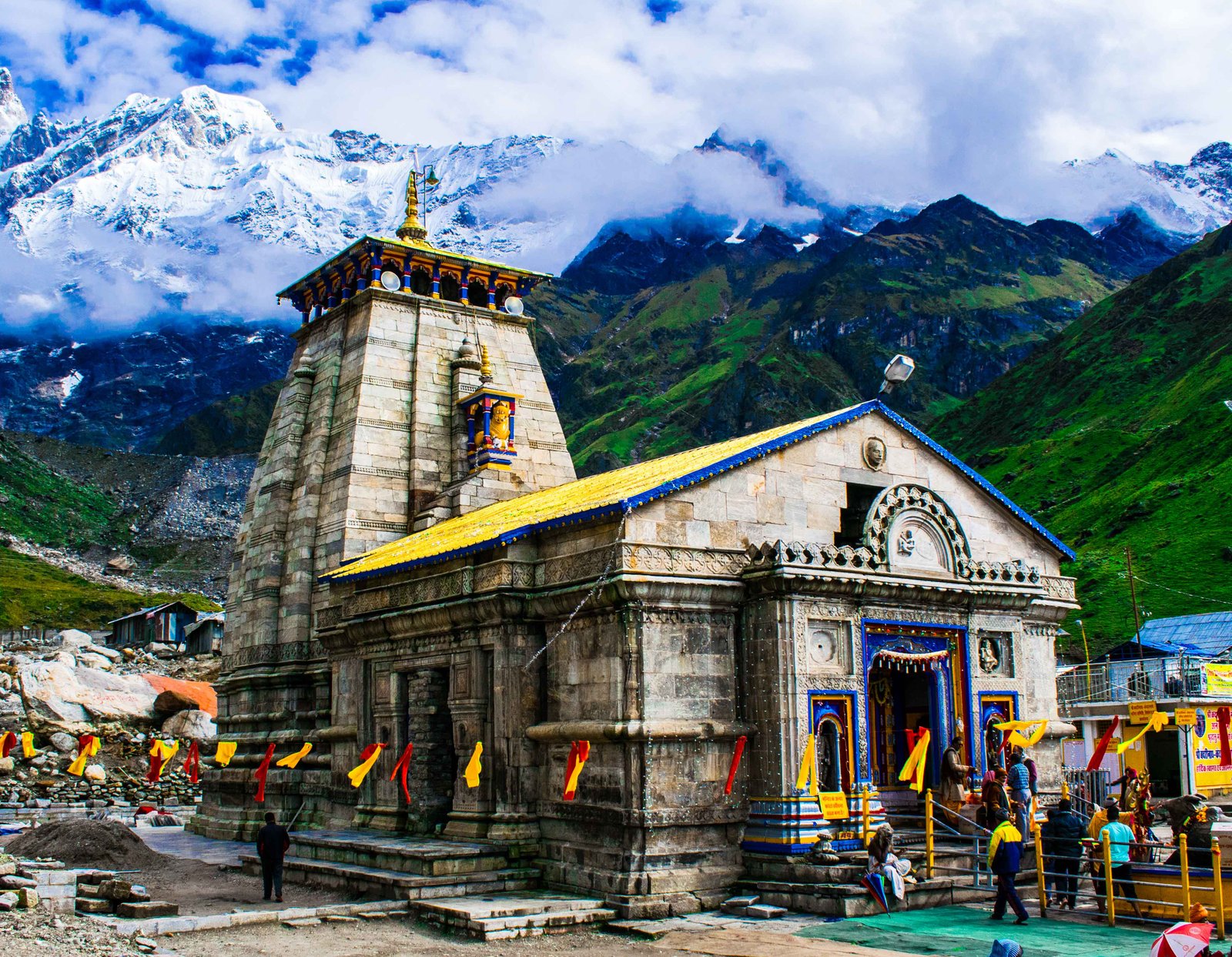
Travelling right when the season opens has its own charm and devotional pull, but expect colder weather and a rush of fellow pilgrims around those opening dates. Families should pack warm layers and keep the first couple of travel days modest rather than ambitious.
A lot of travellers actually prefer going after the monsoon, when mountain views tend to be clearer, though Himalayan weather can still turn quickly regardless of the calendar.
- Confirm the official yatra dates before locking in plans
- Build in buffer time for weather or route restrictions
- Don't assume a tight same-day schedule will hold
Travel Notes
Getting the Cab Portion Right
The cab only covers you up to the accessible road points — beyond that, temple access, local transfers and any trek or permitted onward option need to be arranged separately, in line with whatever rules are current.
When senior citizens are part of the group, resist the urge to rush the itinerary. A slower schedule built around proper halts is both safer and considerably more comfortable.
Helpful Links
Related route information
FAQs
Best Time To Visit Kedarnath by Cab FAQs
Which month is best for Kedarnath by cab?
Late spring and the post-monsoon stretch tend to be favoured, though the exact timing should follow current yatra dates, weather and official route guidance.
Can a taxi go directly to Kedarnath temple?
No, a regular road taxi can't reach the temple itself — it takes you up to the accessible Kedarnath-side base points, and the rest is covered separately.
Is monsoon good for Kedarnath cab travel?
It calls for real caution, since hill roads can see delays, landslides or restrictions during monsoon. Build in extra buffer time.
Which cab is best for Kedarnath?
An SUV or Innova tends to be considerably more comfortable for families, luggage and the long hill-road stretches.